SEARCH
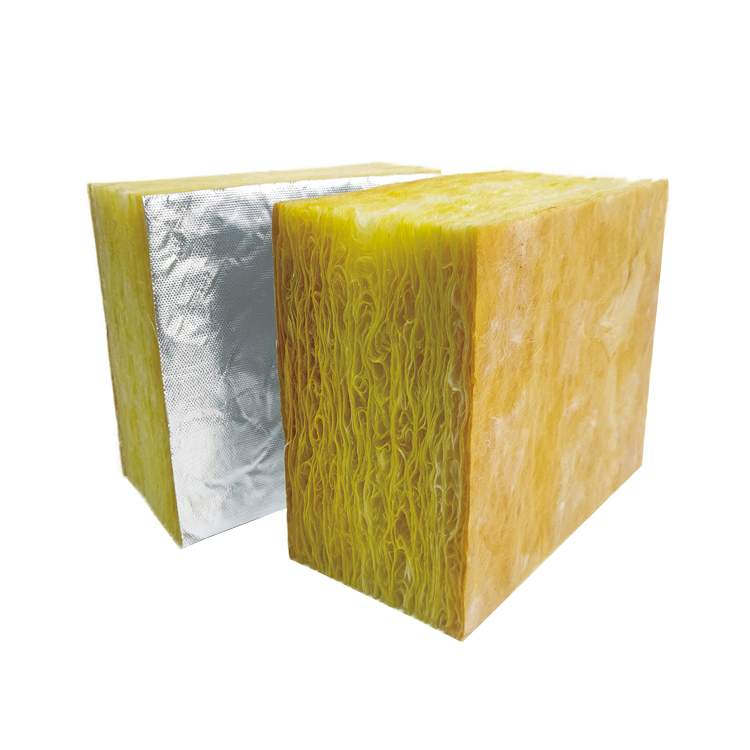
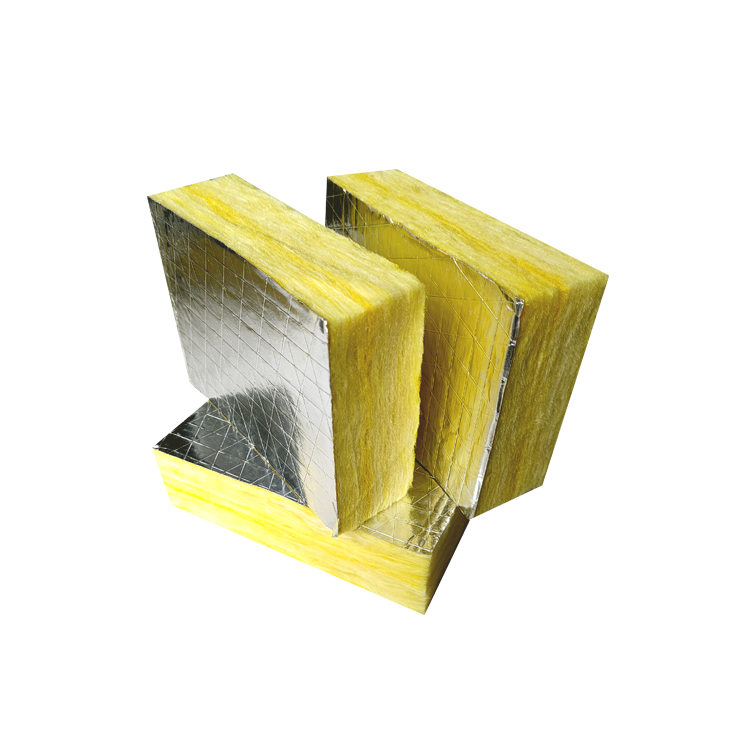
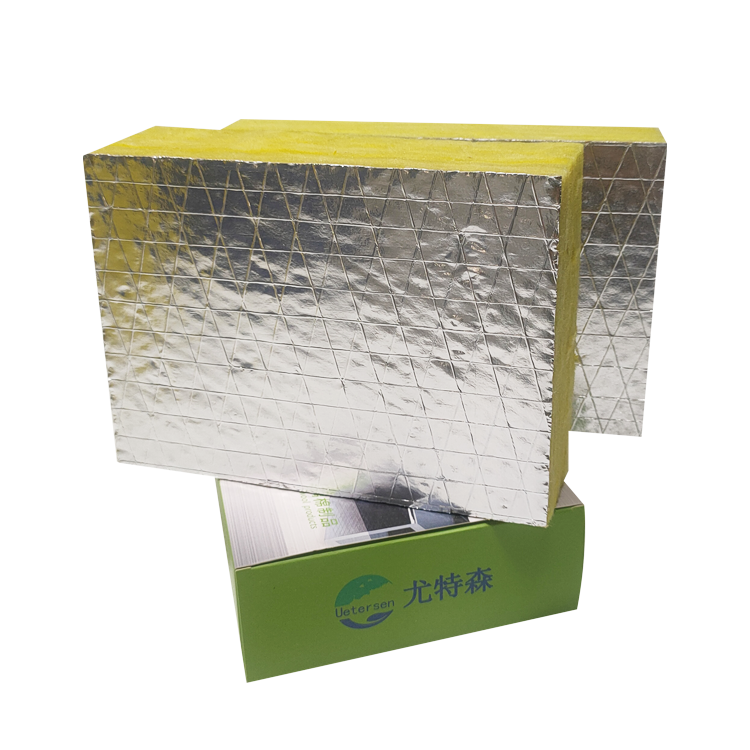
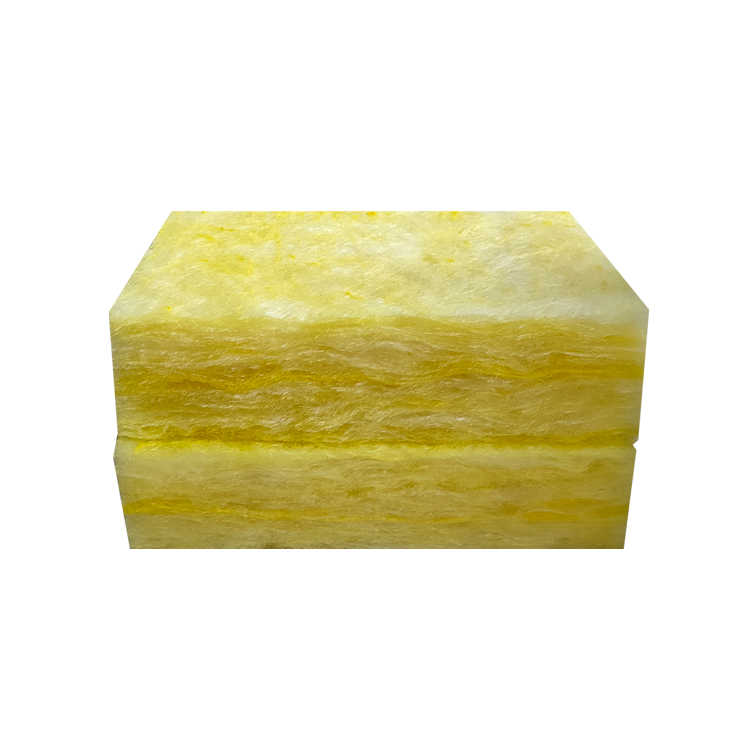
In building energy conservation, HVAC systems, and industrial insulation projects, the design of the insulation layer thickness directly affects the system's energy-saving effect, structural space occupation, and construction feasibility. Glass wool a
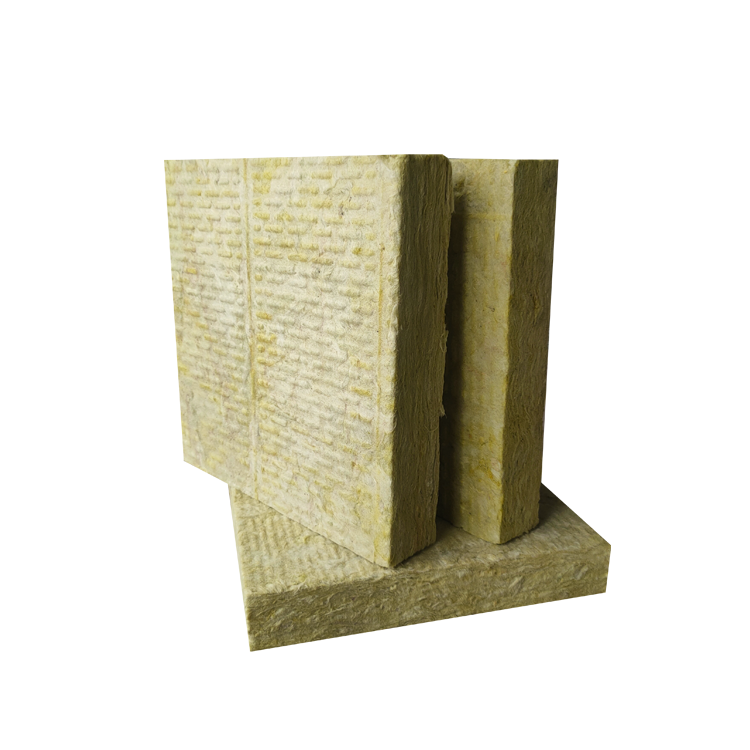
In building energy conservation and industrial insulation projects, the thickness of insulation materials is one of the key parameters that must be considered during the design phase. Rock wool and aerogel, as two widely used but technologically different
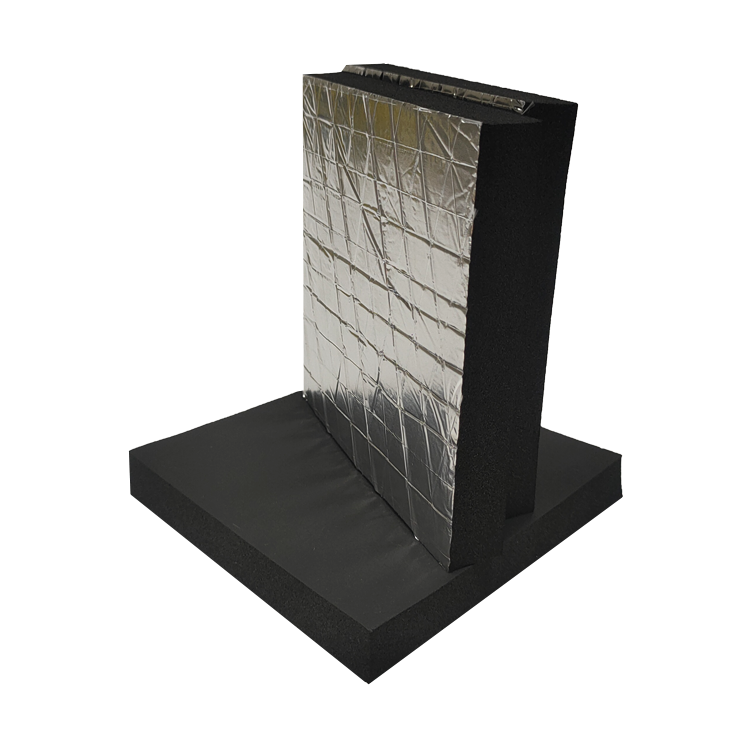
In building HVAC, industrial piping, and energy systems, the selection of pipe insulation materials directly affects the system's energy-saving effect, operational stability, and subsequent maintenance costs. Rubber-plastic insulation materials and ro
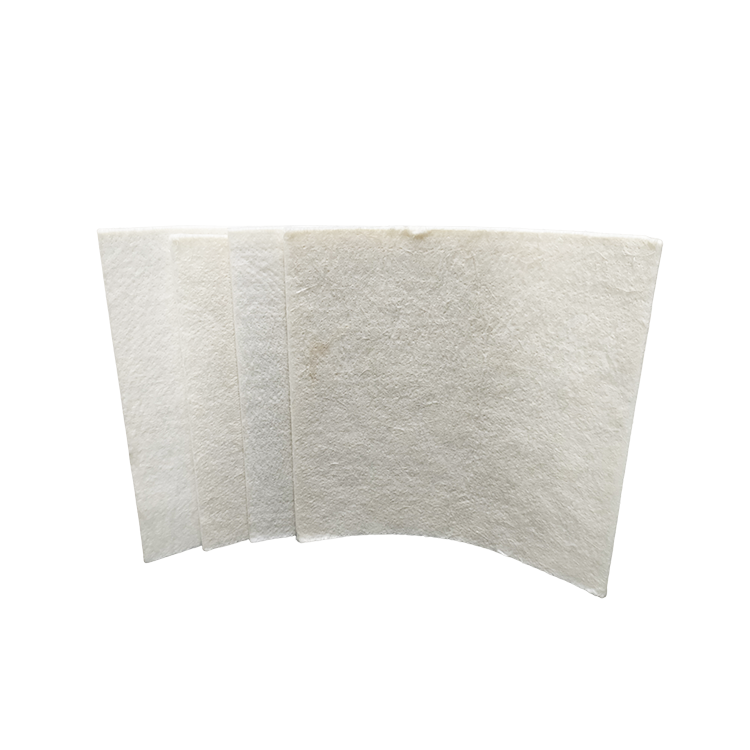
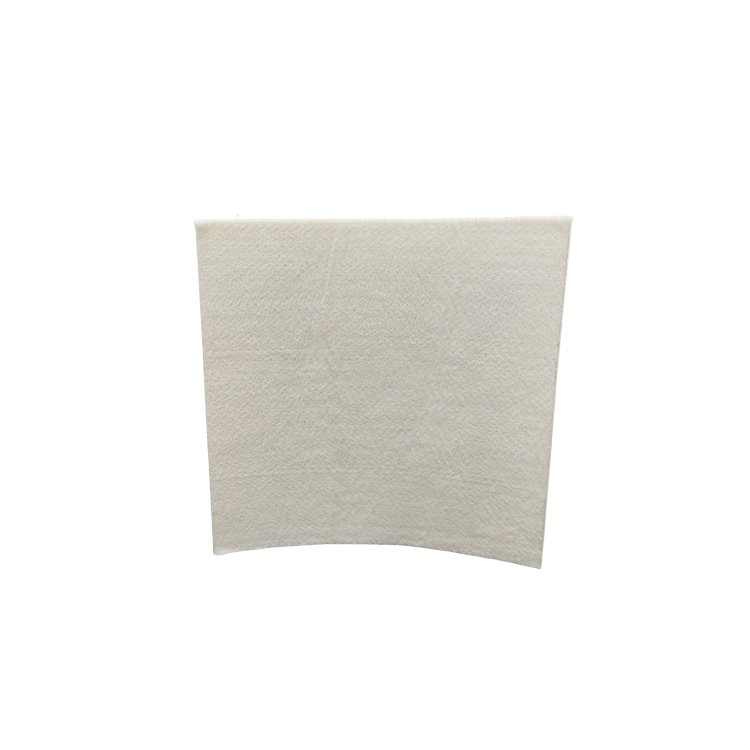
In the field of cryogenic insulation, with the expanding application of energy sources such as liquefied natural gas (LNG) and liquefied petroleum gas (LPG), the requirements for insulation materials are becoming increasingly stringent. LNG elastic felt a
In building HVAC systems, the choice of duct material directly affects the system's insulation performance, energy consumption, and service life. Currently, fiberglass ducts and composite ducts are widely used in engineering projects. The two differ s
Aerogel and rubber-plastic insulation materials are frequently used insulation products in building energy conservation, industrial equipment insulation, and HVAC systems. As engineering scenarios become increasingly complex, more and more projects compar
In building insulation and HVAC engineering, glass wool and rubber-plastic insulation materials are both frequently used insulation products. They are often compared in actual projects for different systems and environments. So, what are the essential dif
In the field of building and industrial insulation, fire resistance is always a crucial factor in material selection. Rock wool and glass wool, as two common inorganic fiber insulation materials, differ in their raw material sources and structural forms,
In HVAC, chilled water systems, and refrigerant piping projects, condensation prevention is a crucial indicator of insulation material performance. Condensation not only affects system efficiency but can also lead to corrosion, mold, and structural damage
With the development of the liquefied natural gas (LNG) industry, the demand for insulation in cryogenic storage, transportation, and related equipment is gradually increasing. To ensure that LNG remains at a low temperature during transportation, the sel