

SEARCH
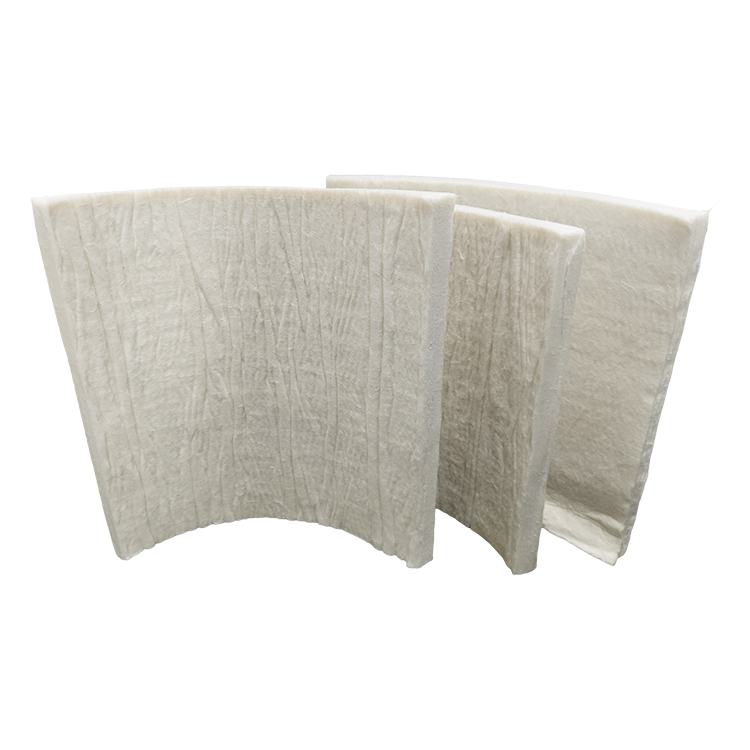
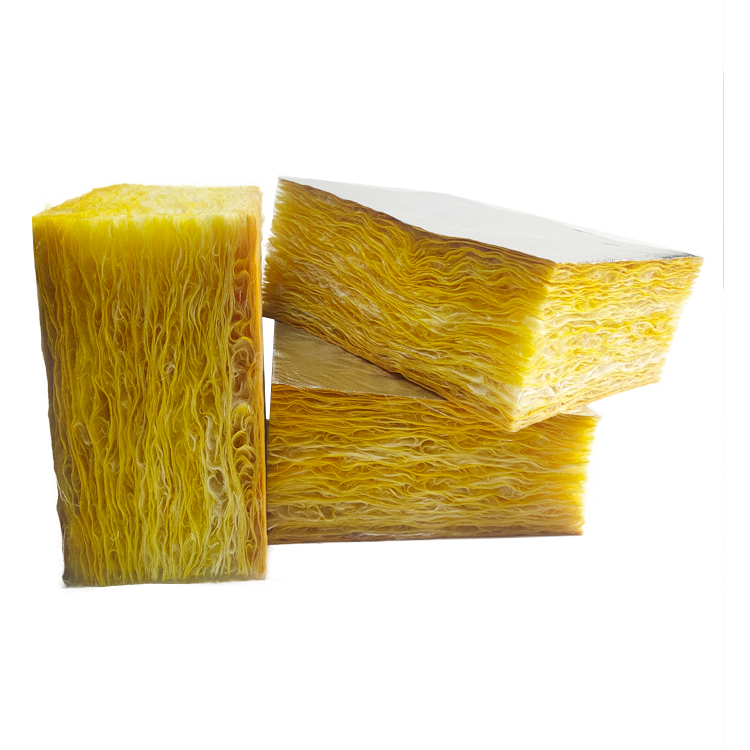
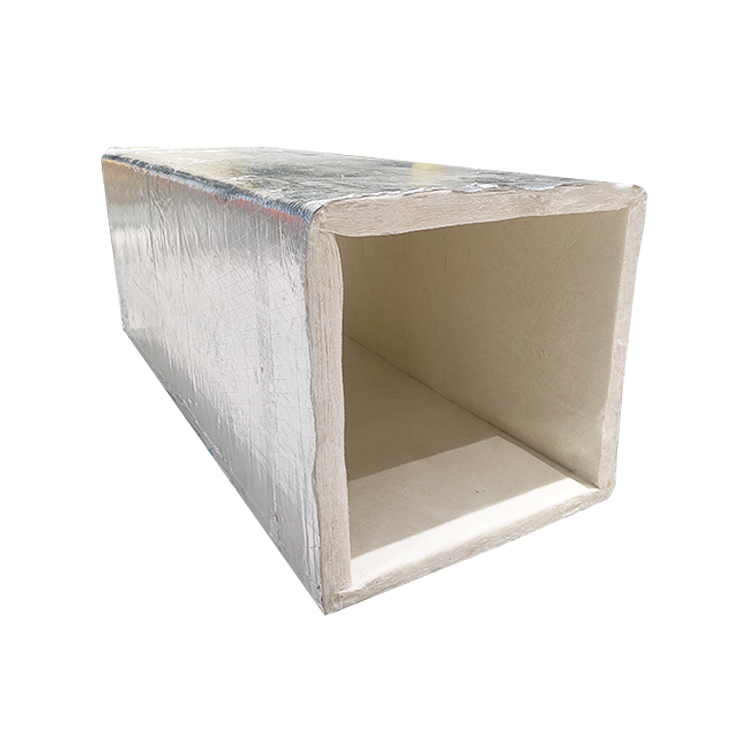
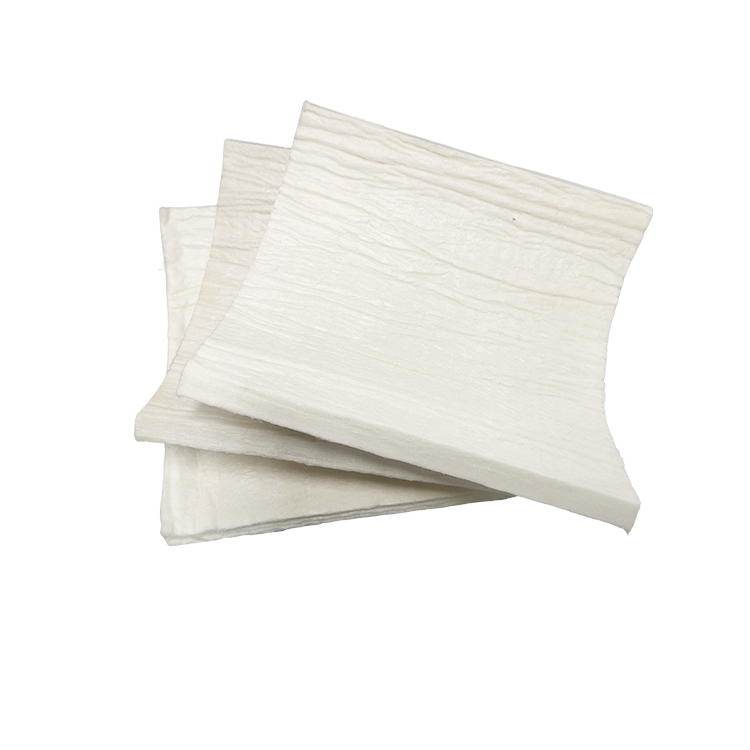
Aerogels, due to their ultra-low thermal conductivity, lightweight structure, and excellent thermal insulation properties, are increasingly widely used in building energy conservation, industrial pipelines, and storage tank insulation. However, in actual
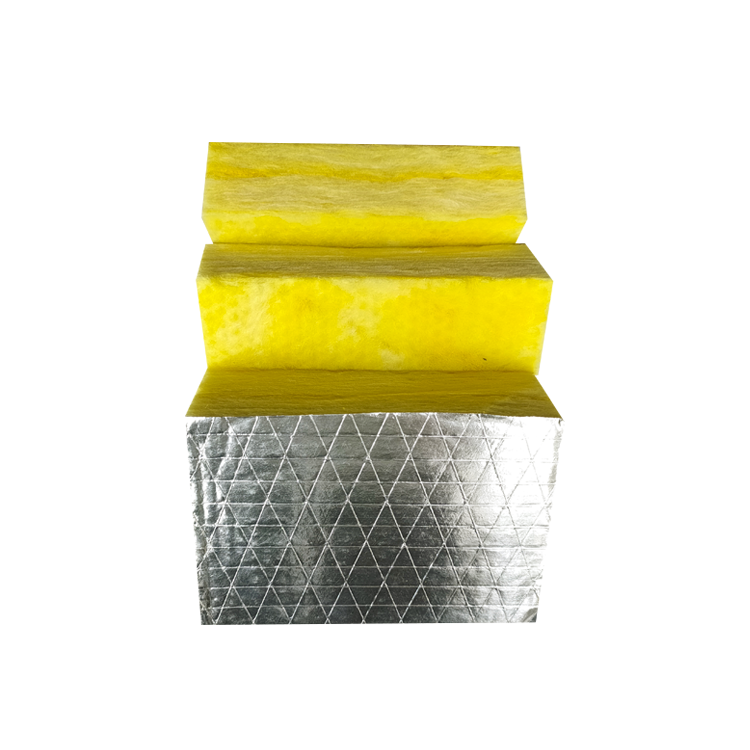
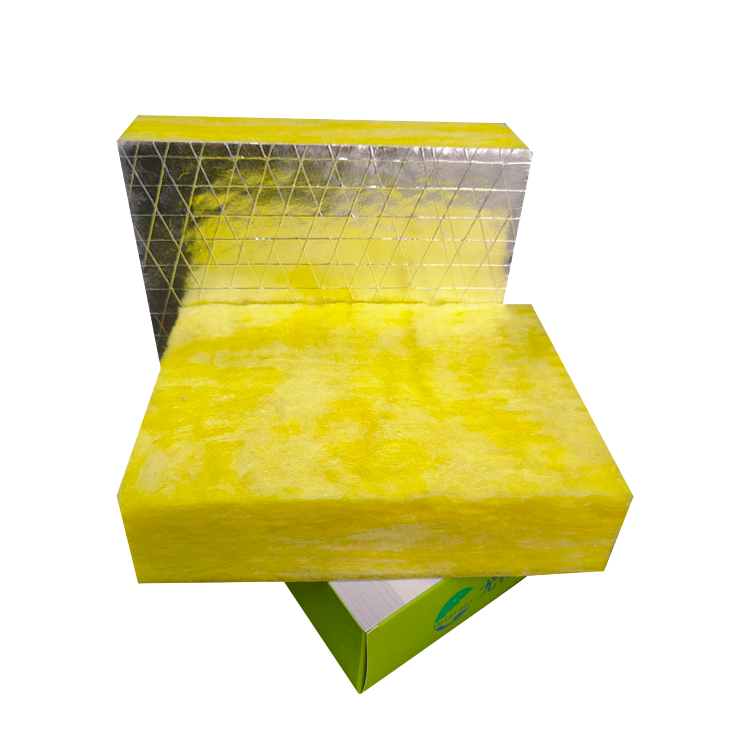
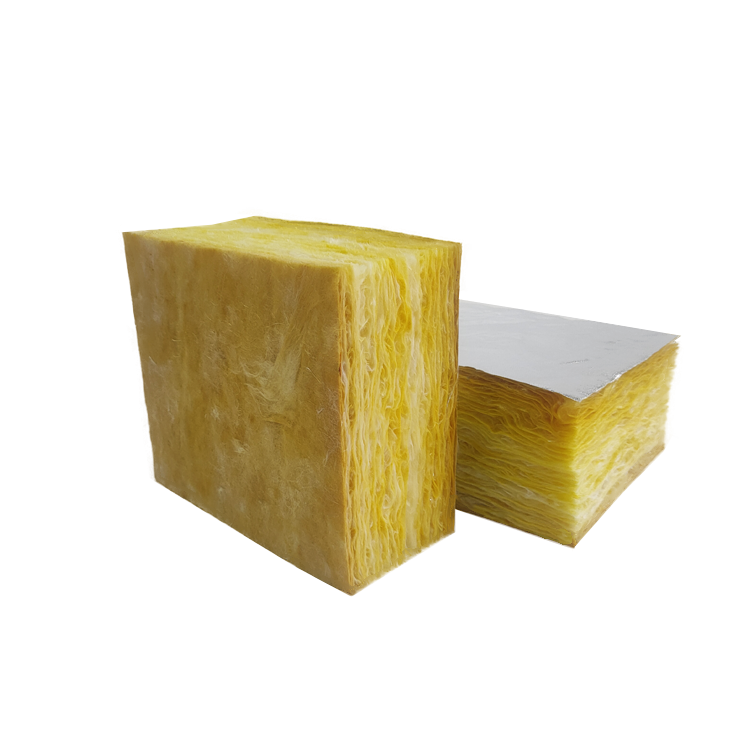
In building energy conservation projects and industrial insulation systems, glass wool is widely used in exterior walls, roofs, ductwork, and equipment insulation due to its low thermal conductivity, light weight, and ease of construction. To ensure that
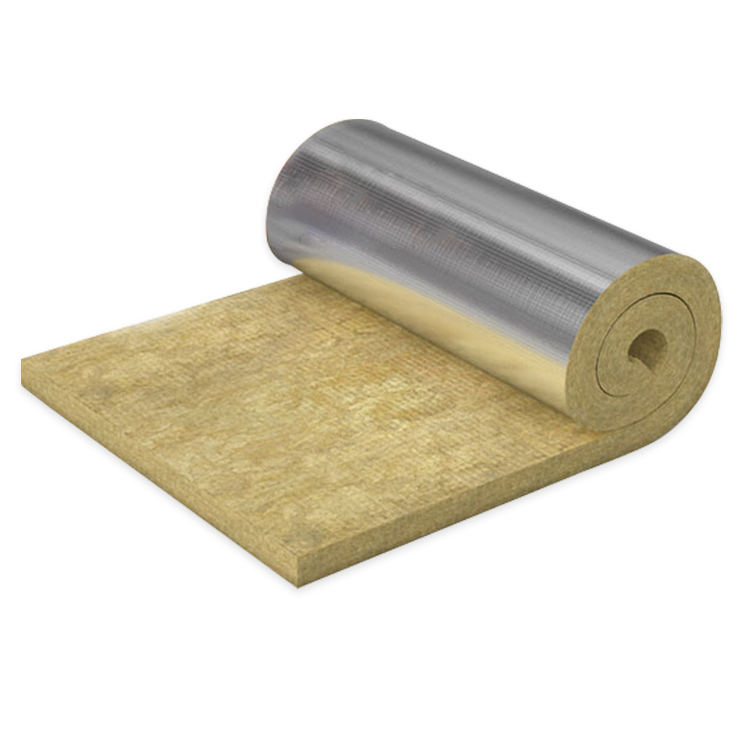
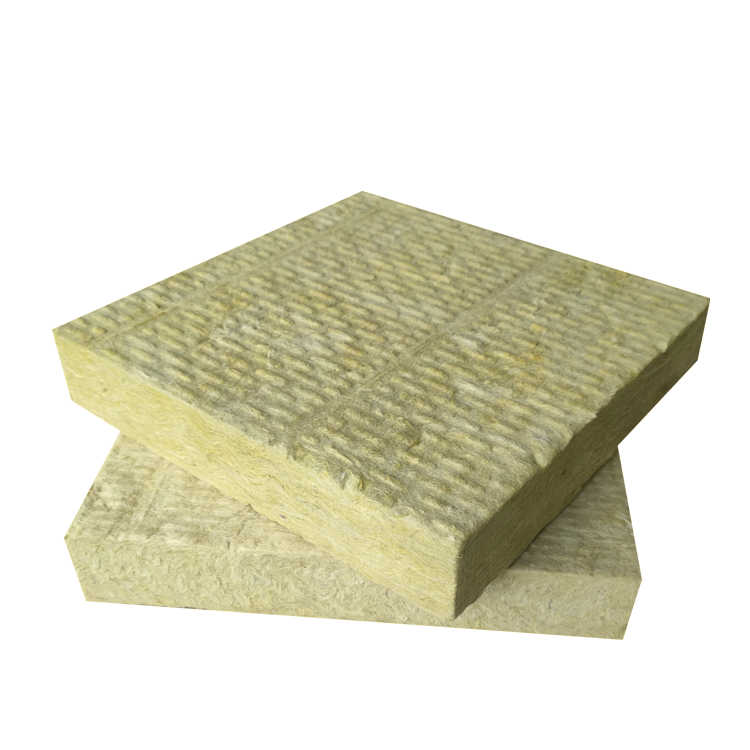
In high-rise building projects, insulation systems not only affect energy efficiency but also directly impact fire safety and structural durability. With increasingly stringent building energy efficiency standards and fire safety regulations, rock wool, a
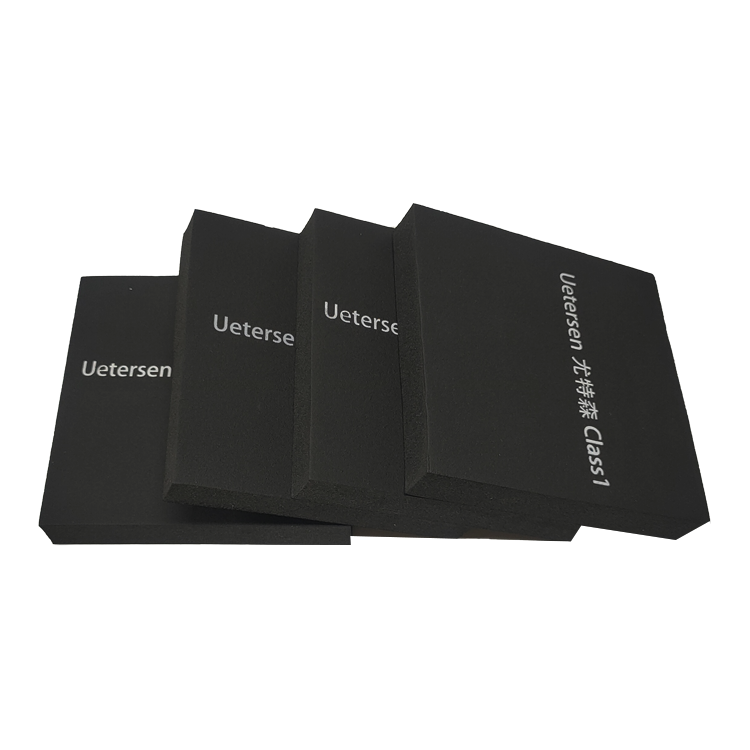
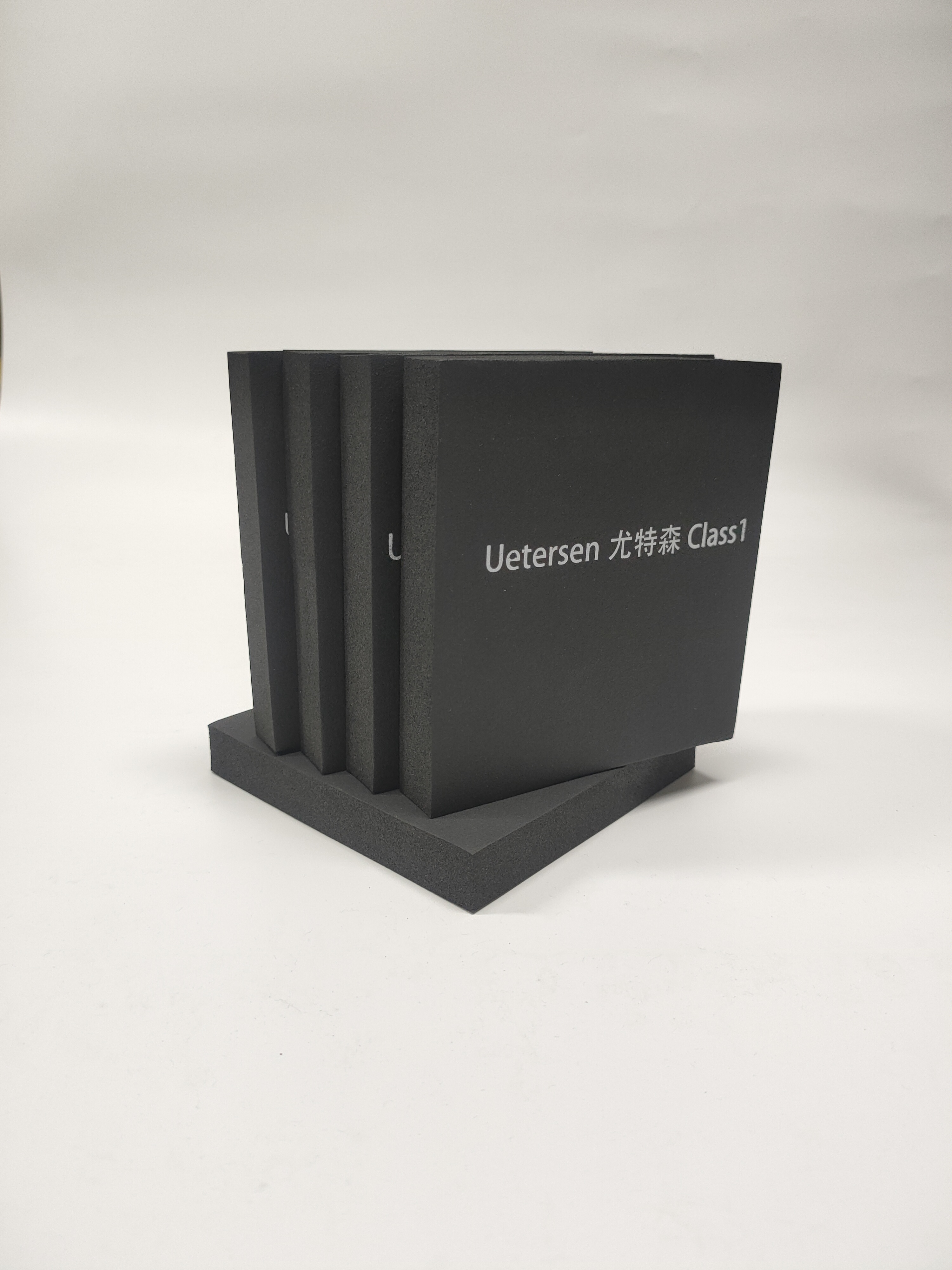
With the continuous development of modern building energy-saving technologies, rubber and plastic materials, due to their excellent thermal insulation, heat insulation, and anti-aging properties, are widely used in various fields such as construction, air
With the continuous development of modern building energy-saving technologies, rubber and plastic materials, due to their excellent thermal insulation, heat insulation, and anti-aging properties, are widely used in various fields such as construction, air
In the liquefied natural gas (LNG) sector, the selection of insulation systems is crucial. LNG facilities, including storage tanks, pipelines, and other cryogenic transportation systems, require highly efficient insulation materials to reduce energy loss,
hotline:
 18565454573